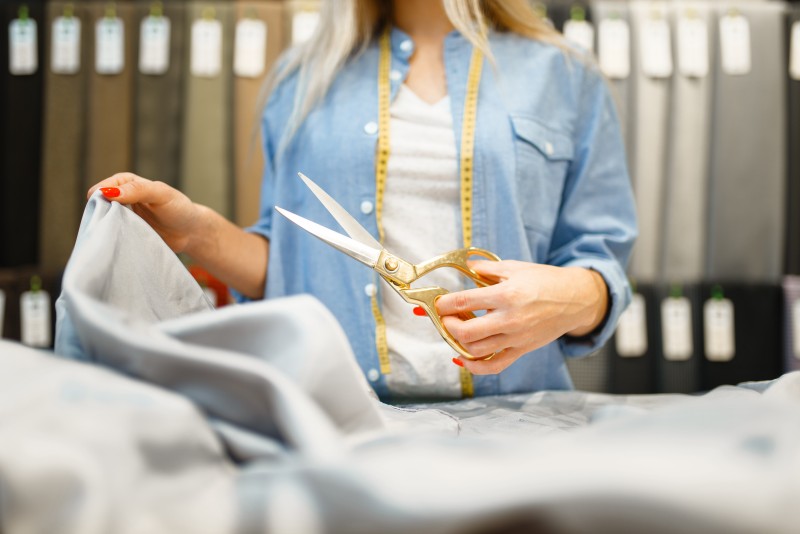
If you’ve ever worn a well-fitted suit, admired the structure of a luxurious curtain, or felt the crispness of a high-quality collar, then you’ve unknowingly experienced the magic of interlining fabrics. These hidden layers play a crucial role in adding shape, durability, and support to countless textiles, making them an unsung hero in fashion and beyond. But what exactly are they, and why should you care? Let’s break it down in the simplest way possible.
The Backbone of Fabrics You Love
Think of interlining fabrics as the secret ingredient that holds everything together. While they might not be visible, they provide essential support, giving garments and textiles their signature structure. Whether it’s the stiff feel of a crisp shirt cuff or the smooth drape of a designer gown, interlining is the silent worker behind the scenes.
Without interlining, many clothes would feel limp, lose shape quickly, or lack the refined look that sets high-quality pieces apart. From delicate silks to thick wool coats, the right interlining ensures fabrics behave the way designers intend. In short, it’s what makes clothing feel polished rather than just sewn together.
More Than Just Fashion – Interlining in Everyday Life
While interlining fabrics are most commonly associated with clothing, their impact extends far beyond fashion. Home décor, accessories, and even industrial textiles rely on interlining to add strength and longevity. Ever noticed how your curtains hang gracefully without sagging? That’s interlining at work. Have a favorite handbag that holds its shape perfectly? Yep, that’s interlining too!
In upholstery, interlining helps furniture maintain its form, while in accessories like hats and bags, it prevents sagging and wear. Even high-performance textiles, such as those used in automotive and medical applications, often include interlining for extra reinforcement. It’s everywhere—you just don’t see it!
The Different Types of Interlining Fabrics

Not all interlining fabrics are created equal, and choosing the right type depends on the fabric and purpose. The most common options include:
- Fusible Interlining: This type has an adhesive backing that bonds to fabric when heat is applied, making it easy to use. It’s great for reinforcing collars, cuffs, and waistbands.
- Sew-in Interlining: As the name suggests, this type is stitched into fabric rather than fused, offering a softer and more flexible feel. Perfect for delicate or high-end fabrics.
- Woven, Non-Woven, and Knitted Interlining: These variations differ in texture and durability, with woven interlining providing structure, non-woven being lightweight, and knitted interlining allowing stretch.
Choosing the right interlining is key to ensuring your fabric holds up over time while maintaining comfort and appearance. If you want to learn more please click here
Why Interlining Fabrics Matter More Than You Think
Interlining fabrics might not get the spotlight, but they make all the difference in how textiles perform. They ensure clothing fits well, lasts longer, and looks professionally made. Whether you’re a designer, a tailor, or just someone who appreciates well-made clothing, understanding interlining gives you a new appreciation for the craftsmanship behind every stitch.
So next time you put on a tailored jacket or admire a well-structured bag, remember—there’s a little layer of fabric making it all possible. Interlining fabrics may be hidden, but their impact is everywhere!
The Role of Interlining fabrics in Luxury Fashion
Luxury fashion is all about elegance, precision, and craftsmanship. Every detail, from the fabric choice to the finishing touches, plays a crucial role in creating a masterpiece. But there’s one hidden hero that rarely gets the recognition it deserves—interlining fabrics. These invisible layers help designers bring their visions to life, ensuring garments have the perfect structure, fit, and feel. Whether it’s a tailored suit, a couture gown, or a high-end handbag, interlining is the secret ingredient that makes luxury fashion stand out.
The Secret to Perfectly Tailored Clothing with interlining fabrics
Have you ever wondered why luxury suits and designer dresses fit so flawlessly? It’s not just about the outer fabric—it’s the interlining fabrics working behind the scenes. Interlining adds structure and stability to garments, preventing sagging, wrinkling, or losing shape over time.
In high-end fashion, precision is everything. A structured blazer needs a firm shoulder, a couture gown needs volume, and a silk blouse needs reinforcement to maintain its elegance. Without interlining, even the finest fabrics would struggle to hold their shape. Luxury brands invest in the best interlining materials to ensure their designs look impeccable from the runway to the wardrobe.
Interlining fabrics : The Hidden Luxury in High-End Bags and Accessories
Luxury isn’t just about clothing—it extends to accessories like handbags, hats, and even shoes. Ever noticed how designer bags hold their perfect shape for years, even after regular use? That’s because of high-quality interlining fabrics inside.
Interlining adds durability and strength, preventing bags from collapsing or losing their form. It’s also used in luxury hats to maintain their shape, keeping them stylish and structured. Even in premium leather shoes, interlining helps create a comfortable yet sturdy fit. While you may never see it, interlining is the reason why luxury accessories retain their high-end appeal over time.
Bringing Elegance and Comfort Together with interlining fabrics

Luxury fashion isn’t just about looks—it’s also about how garments feel when you wear them. Interlining fabrics don’t just add structure; they also enhance comfort by improving how clothing drapes and moves with your body.
Imagine wearing a stiff, uncomfortable jacket that feels rigid and awkward. Now, think of a designer blazer that molds perfectly to your shoulders while maintaining its sharp shape. The difference lies in the interlining. High-end designers carefully select the right interlining materials to ensure that their garments offer both sophistication and ease of wear.
Additionally, interlining plays a key role in maintaining breathability. Some luxury garments use lightweight, natural fiber interlining to add support without making the fabric heavy or uncomfortable. It’s a delicate balance that only premium craftsmanship can achieve. Please click here to learn more
Why Interlining Fabrics Define Luxury Quality
When you invest in luxury fashion, you’re paying for more than just a brand name—you’re investing in superior construction, high-quality materials, and impeccable design. Interlining fabrics may not be the star of the show, but they are one of the most critical elements of luxury craftsmanship.
From giving shape to a designer suit to keeping a couture dress flawless, interlining ensures that every high-end garment and accessory meets the highest standards. It’s the silent force behind luxury, making sure your favorite pieces not only look stunning but also stand the test of time.
So next time you admire a perfectly structured designer coat or a beautifully shaped handbag, remember—it’s not just the fabric you see, but also the hidden layers within. Interlining fabrics might be invisible, but in luxury fashion, they make all the difference!
How Sustainable Interlining fabrics Is Changing the Industry
Sustainability is no longer just a trend—it’s a necessity. As the fashion and textile industries move toward greener practices, even interlining fabrics are undergoing an eco-friendly transformation. From recycled materials to biodegradable options, sustainable interlining is reshaping the way clothes and accessories are made. But what does this mean for the industry, and why should you care? Let’s explore how sustainable interlining is making a difference.
The Shift Towards Eco-Friendly Interlining fabrics Materials
Traditional interlining fabrics are often made from synthetic fibers like polyester, which can take hundreds of years to break down. While these materials provide durability, they aren’t exactly kind to the planet. That’s why many manufacturers are switching to sustainable alternatives, such as organic cotton, bamboo, and recycled polyester.
Organic cotton interlining offers a natural, biodegradable option that doesn’t involve harmful pesticides or chemicals. Bamboo-based interlining is another game-changer—it’s soft, breathable, and grows quickly without the need for excessive water or fertilizers. Recycled polyester interlining, made from post-consumer plastic waste, gives new life to discarded materials while reducing landfill waste. By choosing these options, fashion brands can lower their environmental footprint without compromising quality.
Reducing Waste in the Textile Industry
The fashion industry is notorious for waste, but sustainable interlining fabrics are helping to change that. Many manufacturers are now focusing on reducing excess fabric waste by using innovative production methods, such as zero-waste cutting and upcycling scraps into new interlining materials.
Some brands are even adopting closed-loop recycling, where used garments are broken down and turned into new fibers for interlining and other fabric components. This approach helps keep textiles out of landfills and reduces the demand for virgin materials. By embracing these sustainable practices, the industry is taking a major step toward circular fashion, where nothing goes to waste.
Performance Without Compromise
One common concern with sustainable materials is whether they can match the performance of traditional ones. The good news? Eco-friendly interlining fabrics are proving that sustainability doesn’t mean sacrificing quality.
Many sustainable interlining options offer the same strength, flexibility, and durability as conventional materials. Some even outperform their synthetic counterparts by providing better breathability and moisture-wicking properties. Advanced textile innovations, such as plant-based resins and biodegradable bonding agents, are also improving the effectiveness of fusible interlining. This means that designers and manufacturers don’t have to choose between sustainability and functionality—they can have both!
The Future of Sustainable Interlining fabrics
As more brands commit to ethical and eco-friendly practices, sustainable interlining fabrics will become the industry standard rather than the exception. Consumers are increasingly looking for transparency in how their clothes are made, and companies that embrace sustainable interlining are gaining a competitive edge.
With ongoing innovations in fabric technology, the future looks bright for sustainable interlining. Researchers are even exploring algae-based fibers and biodegradable polymers that could revolutionize textile manufacturing. As these advancements continue, we can expect fashion to become not only more sustainable but also more innovative and exciting.
So next time you buy a garment, remember that sustainability goes beyond the fabric you see—it’s also about the layers you don’t. Interlining fabrics may be hidden, but when they’re made sustainably, they make a world of difference!